
This post was originally written in 2009 on my old blog but I believe it still holds true today…
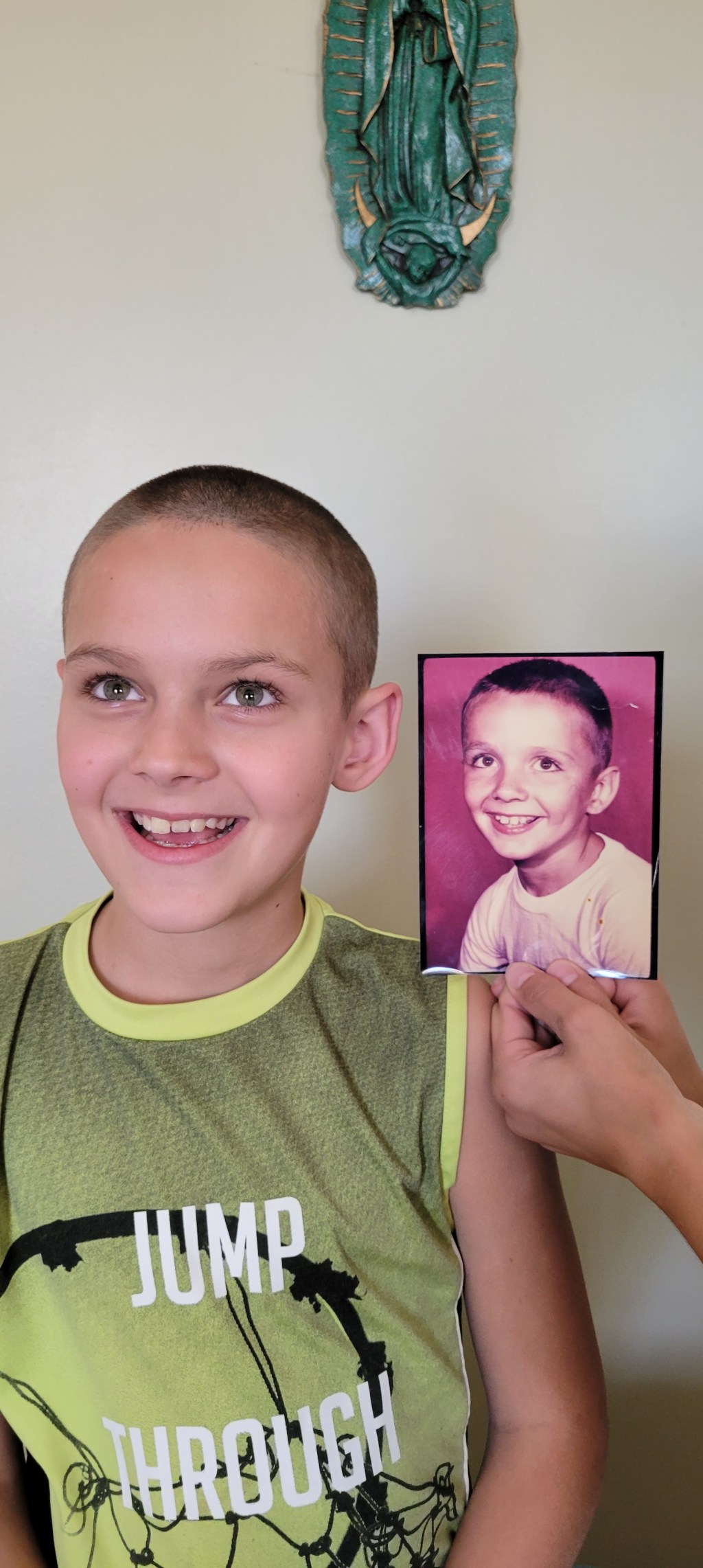
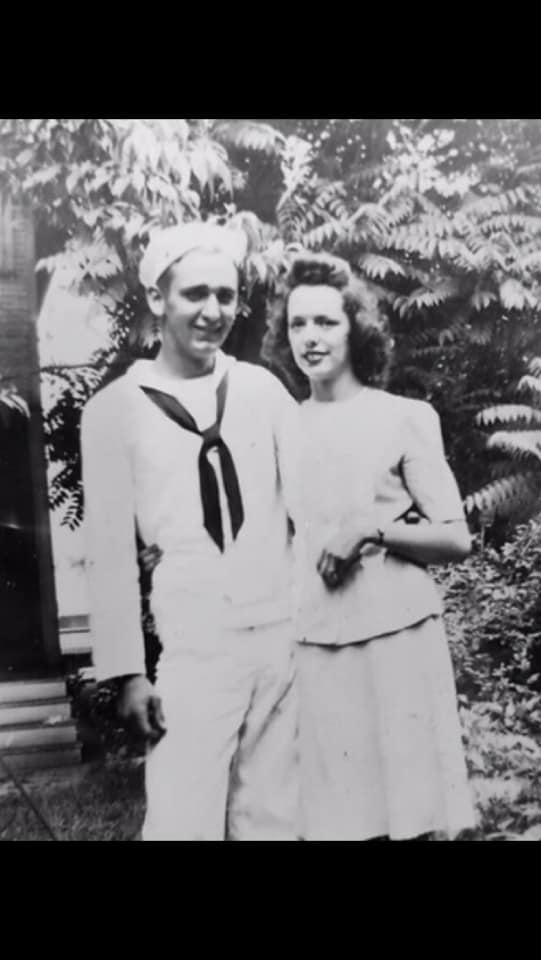
On Sunday I was speaking with my father about my recent hiking trip in an area not far from where he played as a boy and where my grandfather and his siblings were raised. He told me of how my great-grandfather, William, was co-owner of a large bakery in Columbus. William sold his part of the bakery to his brother and bought the farm adjacent to the area where I was hiking. He began farming the land and selling the fruits of his labor. My dad told me that he remembered, as a boy, seeing five to ten acres of carrots and lettuce in the bottom along the Hocking River and wagon loads full of popcorn, all grown by my great-grandfather on his piece of property. He also told me how William loaded up his wagon full of produce and took it into Athens county to sell to the coal miners there.
It was amazing to hear all of this. I am 37 years old this week and never have I heard of any of these stories. Perhaps I didn’t pay close attention during the annual Thanksgiving Day dinners or family get togethers, but I am sure I would have remembered these stories. I remember hearing of train rides to the hospital in Columbus but never have I heard of how the old house was used for feed storage or how they survived the Great Depression.
As I was thinking of all of this, and the history lost since the death of my grandparents over the past year and a half, I began to see a picture of a bigger problem in our culture and our Church. We have not been diligent in telling our story to the upcoming generation and it is now painfully obvious. We have not told our story as Americans and we have not told our story as Catholics.
In the history and story of God’s people, their failure and / or success is always related to the telling or not telling of their story. When they forget their story, when they forget where they came from and Who brought them to where they are, they fail and fall away from God. Only when someone rises up and reminds them of their story and all that God has done for them, do they turn back and receive his blessings. Moses reminds the people of God saving them from Egypt. Joshua reminds them of God’s faithfulness when they are faithful. David recounts the story of God’s people in his Psalms. Mattathias retells the story to his sons before he dies and they are successful in their zeal for God and rebuilding God’s people.
The Church, to her credit, attempts to tell the story of salvation history at this time of the year. The Sunday readings for the first few Sunday’s of Lent recount stories of covenants and, sadly, broken covenants as we travel towards that “new and everlasting covenant” established by Jesus Christ. If you listen to the readings of the Easter Vigil, you will walk through salvation history. In those readings we are reminded of the story of God’s love for us.
However, just as so much history was lost between my great-great-grandfather getting off the boat from Germany and my story today, there is a great deal of history lost to us in this story of God’s people between the Acts of the Apostles and Pope Benedict XVI.
Many people may not see this as a big deal but it is of crucial importance. Why must we know our story? So that we can be a part of the story. Let me put it this way, why have so many of our friends and family left the Faith? Why have they wandered? Why have so many of them not so much gone to other faiths but simply wandered off? The answer, they don’t know where they fit into the story.
They don’t know because the story was never told. They don’t know of the English martyrs like Edmund Campion. They don’t know of the Mexican martyrs like Miguel Pro. They don’t know how our faith was persecuted in the United States during the early years of the country and our country forgets that it exists because of the desire for religious freedom. If they don’t know any of the story, is it any wonder that they aren’t entering into the story? Is it any wonder that many of us are not entering into the story?
Isn’t that what we love about stories? We love to associate ourselves with the characters. We love to travel with the Hobbits, fight alongside Reepicheep, enter into battle beside William Wallace, travel the galaxy on the Enterprise, and be swept off our feet with Cinderella. We want to be part of the story but if we’ve never been told our story we’ll never enter into it. We’ll try to make up a story, a cheap imitation of the true story. Further, our friends and family will never enter into it if they aren’t invited.
The answer to this problem is simple and difficult – learn the story, teach the story. Learn the story of salvation. Learn the story of your own family. Teach them both to your children, to your relatives, to anyone who will listen. Future generations are depending on you and me to take up the story once more.
(Psalm 78:2-8)
I will open my mouth in story, drawing lessons from of old.
We have heard them, we know them; our ancestors have recited them to us.
We do not keep them from our children; we recite them to the next generation,
The praiseworthy and mighty deeds of the LORD, the wonders that he performed.
God set up a decree in Jacob, established a law in Israel:
What he commanded our ancestors, they were to teach their children;
That the next generation might come to know, children yet to be born.
In turn they were to recite them to their children,
that they too might put their trust in God, And not forget the works of God, keeping his commandments.
They were not to be like their ancestors, a rebellious and defiant generation,
A generation whose heart was not constant, whose spirit was not faithful to God
1 Maccabees 2:49-61
“Arrogance and scorn have now grown strong; it is a time of disaster and violent anger. Therefore, my sons, be zealous for the law and give your lives for the covenant of our fathers. “Remember the deeds that our fathers did in their times, and you shall win great glory and an everlasting name.
Was not Abraham found faithful in trial, and it was reputed to him as uprightness? Joseph, when in distress, kept the commandment, and he became master of Egypt. Phinehas our father, for his burning zeal, received the covenant of an everlasting priesthood. Joshua, for executing his commission, became a judge in Israel. Caleb, for bearing witness before the assembly, received an inheritance in the land. David, for his piety, received as a heritage a throne of everlasting royalty. Elijah, for his burning zeal for the law, was taken up to heaven. Hananiah, Azariah and Mishael, for their faith, were saved from the fire. Daniel, for his innocence, was delivered from the jaws of lions.
And so, consider this from generation to generation, that none who hope in him shall fail in strength.“

 James M. Hahn, Author